
Smoke Taint in Bordeaux: Is the 2026 vintage drinkable at all?
Smoke Taint - when smoke drifts over the vines. There is no answer yet. This is the situation for the Bordeaux 2026 vintage.
In July 2026, approximately 420 square kilometers of land burned in the Gironde. This is about four times the area of Paris. The Bordeaux wildfire of 2026 sent smoke across large parts of the region, including vineyards.
Experts refer to this as smoke taint. Smoke compounds adhere to the grape skin. Later, the wine can develop an ashy note.
Bloomberg hit the nail on the head on August 7, 2026. "Wildfire smoke has drifted across Bordeaux's vineyards, and winemakers won't know until harvest whether the 2026 red wine vintage is drinkable." Winemakers won't know if the vintage is drinkable until harvest.
For collectors, this is inconvenient. Anyone planning a Bordeaux En Primeur 2026 subscription needs facts, not speculation. For Bordeaux En Primeur 2026, every detail about grape quality counts. This article explains what smoke taint scientifically means. It shows what actually happened in Bordeaux in 2026. And it explains why panic is premature.
It provides an in-depth look at our article on the Bordeaux wildfires of 2026.
- 1. What is Smoke Taint? The science explained simply
- 2. Why Smoke Taint is so insidious
- 3. Bordeaux 2026: What really happened with the wildfires
- 4. Which appellations could be affected
- 5. Historical comparison: Previous wildfire years
- 6. What this means for collectors
- 7. Conclusion
- 8. FAQ – Smoke Taint Bordeaux 2026
- 9. Sources
What is Smoke Taint? The science explained simply
Smoke taint is caused by smoke. More precisely: by volatile phenols. These substances are formed when wood burns.
The most important substance is guaiacol. Guaiacol wine samples can be easily detected in the laboratory. A guaiacol wine test usually shows the contamination before harvest. The compound adheres to the grape skin as soon as smoke drifts over a vineyard.
Scientists at Northeastern University explained the process at the end of July 2026. Their explanation is simple. The vine initially packages the smoke compounds with sugar. Therefore, the grape tastes inconspicuous at harvest.
This only changes later. During fermentation, the sugar-smoke compounds dissolve. The same thing happens when drinking, due to saliva. This creates the typical ashy note. Wine connoisseurs call it smoke taint.
Why Smoke Taint is so insidious
It is precisely this delay that makes smoke taint dangerous. A wine can taste clean at bottling. It can pass laboratory tests at the time of sale. In the cellar, this often only changes after months. Sometimes only after years.
Then an ashy note develops. It grows. It no longer disappears. This is how the Northeastern analysis describes it.
The ripening stage of the grapes plays a major role. They are particularly susceptible from veraison onwards. This is the moment when the berries change color. The danger remains until harvest.
Red wine carries a higher risk than white wine. The reason: the skin remains in contact with the must for longer. The effect is also dose-dependent. The quantity and duration of smoke exposure determine the extent.
The most reliable method is a laboratory analysis. Producers test grape skin samples for this. This happens shortly before harvest. A simple taste test in the vineyard is not sufficient.
Bordeaux 2026: What really happened with the wildfires
The Bordeaux wildfire in the Gironde began at the end of July 2026. It is one of the largest wildfires in France since World War II. Over 220,000 people had to be evacuated. The flames came within 15 kilometers of the city of Bordeaux.
Bloomberg provided an important classification on July 31, 2026. The large cultivated areas avoided the flames. At the same time, heatwaves are causing a smaller 2026 vintage. This is a separate issue. It has nothing to do with smoke taint.
Bloomberg's article from August 7, 2026 shifts the focus. Away from harvest quantity. Towards wine quality. Even unburnt vineyards can be affected. Smoke is enough to increase the risk of smoke taint. This is the core of the current uncertainty. Not burnt vines. But invisibly contaminated grapes.
Which appellations could be affected
At the end of July 2026, the largest fires were on the coast. For example, around the Cap Ferret peninsula. Also outside the classic growing areas. The well-known appellations such as Médoc, Saint-Émilion or Pauillac were not in focus at this time.
This is an important classification. However, it does not change one point: smoke travels further than fire. This is exactly what the Bloomberg article of August 7 addresses.
A reliable assessment will only be available after the tests. Producers and laboratories will test grape skins from various sites for this. These tests will take place shortly before harvest. For the 2026 vintage, this means late summer and early autumn.
Historical comparison: Previous wildfire years
A look back helps. In 2022, there were already major wildfires in the Gironde. In the end, they had little impact on wine quality. The reason: the large growing areas remained unaffected.
Bordeaux differs from California or Australia here. There, vineyards were often closer to the fires in recent years. The smoke remained over the vines for longer there.
So, what matters is not whether fires are burning somewhere. What matters is the proximity to the fire. And the duration of smoke exposure over ripe grapes. For Bordeaux 2026, this question is currently still open.
What this means for collectors
Three points are important for collectors.
Firstly: A serious assessment will only be available after the harvest in autumn 2026. Anyone planning a Bordeaux 2026 subscription should be aware of this. Reliable laboratory data will be available at the earliest in late summer. The actual Bordeaux En Primeur 2026 campaign will not follow until spring 2027 anyway.
Secondly: Smoke taint works locally. Even if individual sites are affected, this does not mean that the entire vintage is affected. Nor does it mean that all producers are affected.
Thirdly: Existing vintages in your own cellar are safe. The discussion about smoke taint only concerns grapes from 2026. Not the wines of previous years.
If you are interested in other current developments in Bordeaux, you can find more in our article on the Liv-ex winners 2026.
Conclusion
The 2026 Bordeaux vintage is under double pressure. Firstly: a smaller harvest due to heatwaves. Secondly: an open quality question due to smoke taint. Both are real. However, neither can be definitively assessed yet.
The experience from 2022 is encouraging. Forest fires in the region do not automatically lead to a bad vintage. The exact smoke exposure of individual plots is crucial. This only becomes apparent during grape skin tests before the harvest.
For collectors, this means: stay alert. But no reason to panic. Purchase decisions for the 2026 vintage can only be made when reliable data is available in autumn.
You can read more about the starting point of this development in our article on the Bordeaux Forest Fires 2026. If you wish to buy independently of the current vintage, you will find tested vintages from established Châteaux in our curated selection at Wein-sammeln.de.
Can the 2026 Bordeaux vintage already be classified as spoiled?
No. Currently, there is no reliable evidence of smoke taint in the 2026 vintage. The crucial tests will only take place in late summer and early autumn.
What distinguishes smoke taint from a smaller vintage?
Two separate issues. The smaller harvest volume comes from heatwaves. Smoke taint affects the wine quality itself. Both issues have different causes.
Why can't smoke taint simply be determined by tasting?
The vine initially binds smoke compounds to sugar. The grape tastes unremarkable at harvest. The ashy note only develops later. Through fermentation. And through saliva when drinking.
Were Médoc or Saint-Émilion directly affected by the 2026 forest fires?
The main fire sources at the end of July were primarily on the coast. Outside the classic appellations. However, smoke travels further than fire. The quality question therefore remains open there too.
Has there ever been a comparable forest fire year in Bordeaux?
Yes, in 2022. At that time, the major growing regions were spared. The wine quality hardly suffered. This is a good sign. But no guarantee for 2026.
Sources
- Bordeaux Hopes Its Wine Are Drinkable After France's Wildfires – Bloomberg Opinion
- What is 'smoke taint'? How wildfires may affect your favorite wine – Northeastern University
- Bordeaux Wine Vineyards Dodge Wildfires But May Face Smaller Vintage – Bloomberg
- Vintage Fears as Bordeaux Burns – Wine-Searcher
- Bordeaux's wildfire smoke puts the 2026 vintage in doubt – BizNews
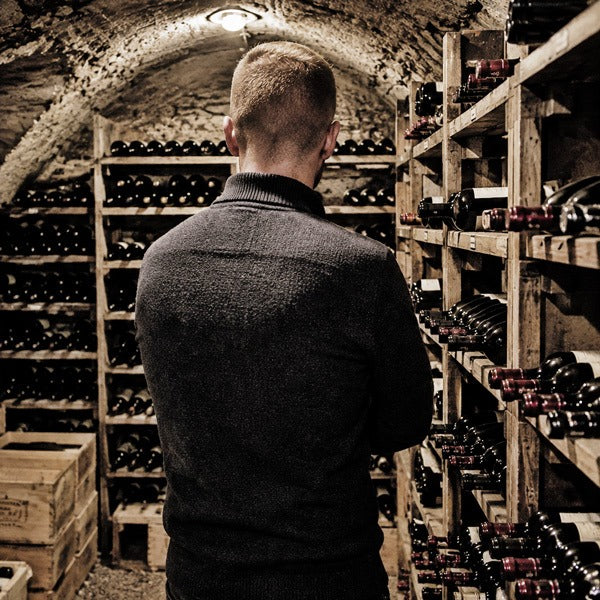
Note: Based on public press reports. Information without guarantee, as of 16.08.2026. No investment recommendation. Photos are AI-generated stock images, not real shots.