

Château Pavie-Macquin 1966
Château Pavie-Macquin 1966
Saint-Émilion Grand Cru • Red wine • 750 ml - Bottle
1er Grand Cru Classé B (Saint-Émilion)
SKU:XE141966NAA
Reverse charged pursuant to Section 25a of the German VAT Act; no VAT can be shown on the invoice
1 in stock
Couldn't load pickup availability
Delivery to Germany: 3–5 working days · Other countries: Shipping & Delivery Times
- Insured shipping with DHL
- Insulated, shock-absorbing packaging
- Underground, climate-controlled storage
Provenance – proof of origin for this bottle
Provenance – proof of origin for this bottle
Source of acquisition:
Acquired in:
Acquired on:
Received on:
Since then, the bottle has been kept in our underground cellar, with controlled temperature and humidity and secured access. We provide the full proof of origin upon request—while respecting the privacy of third parties.
Condition of the wine bottle
Condition of the wine bottle
A snapshot from :
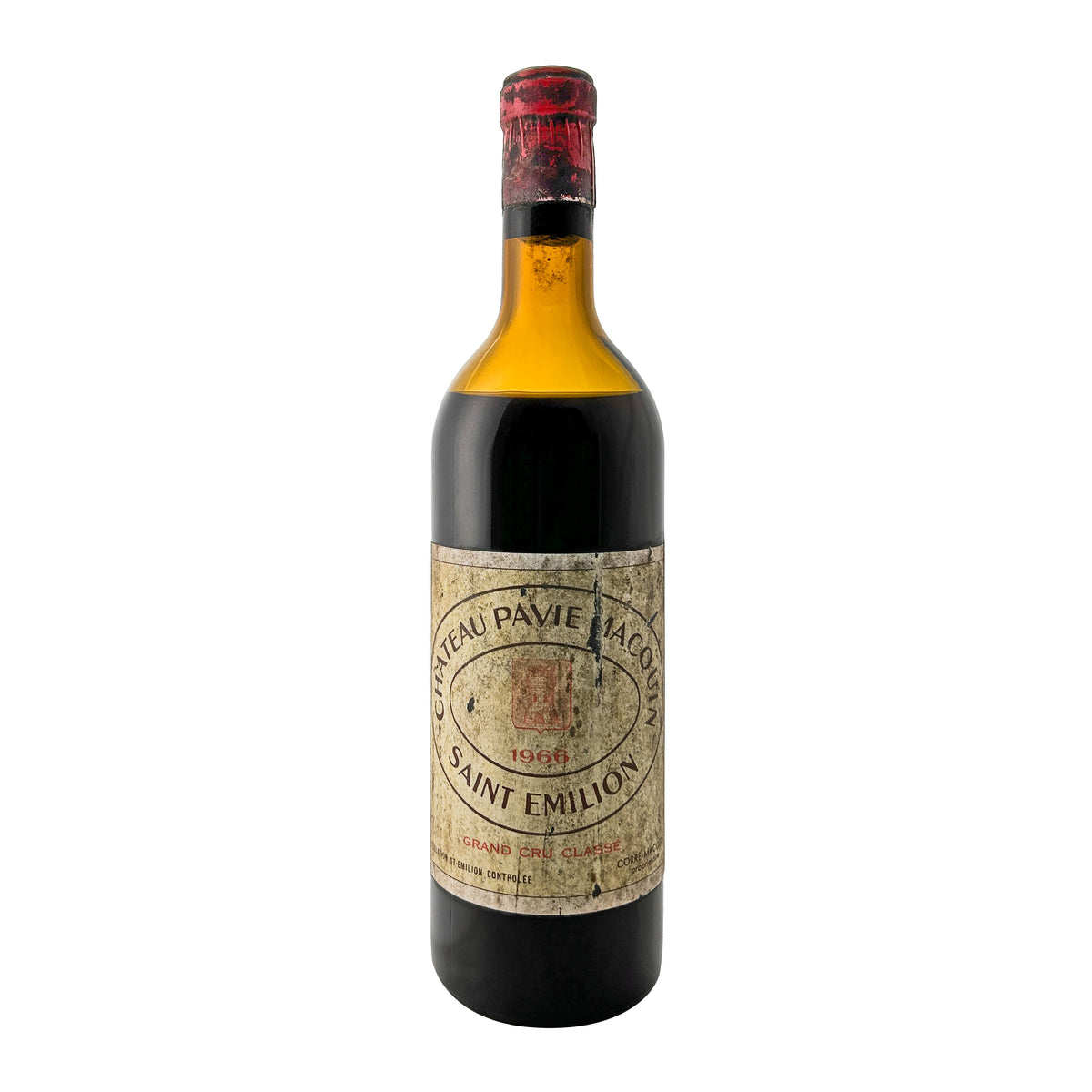
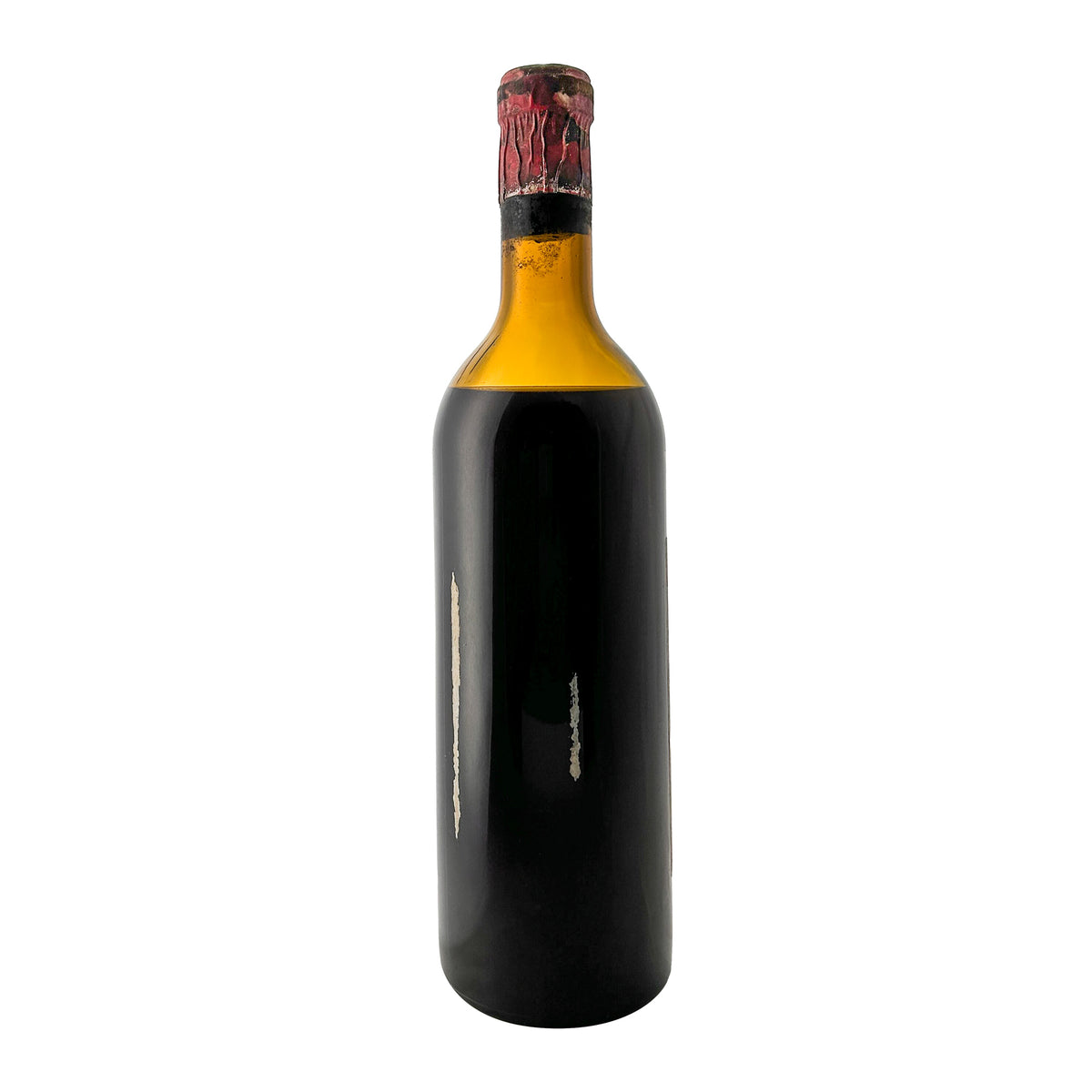
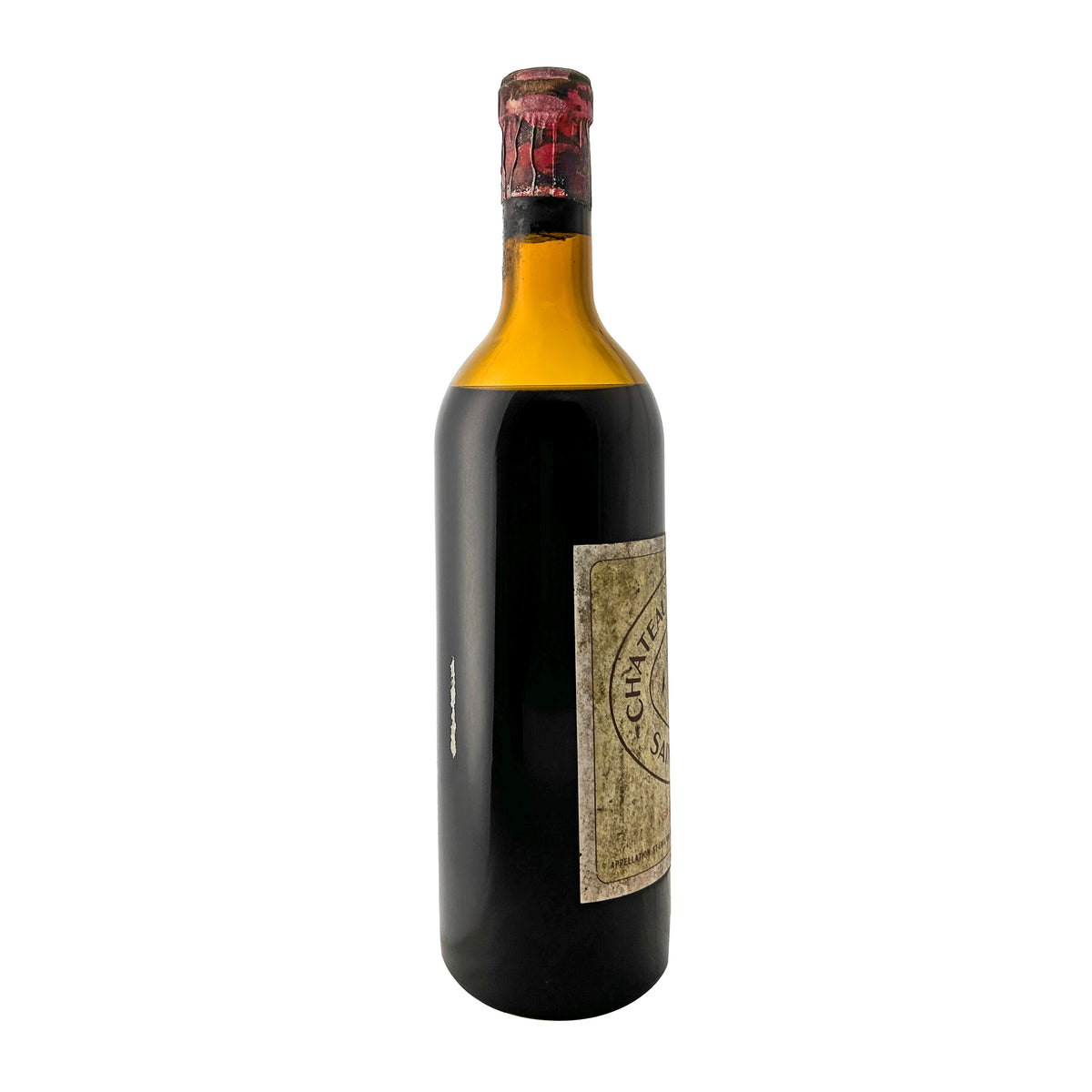
Fill Level: Mid Shoulder
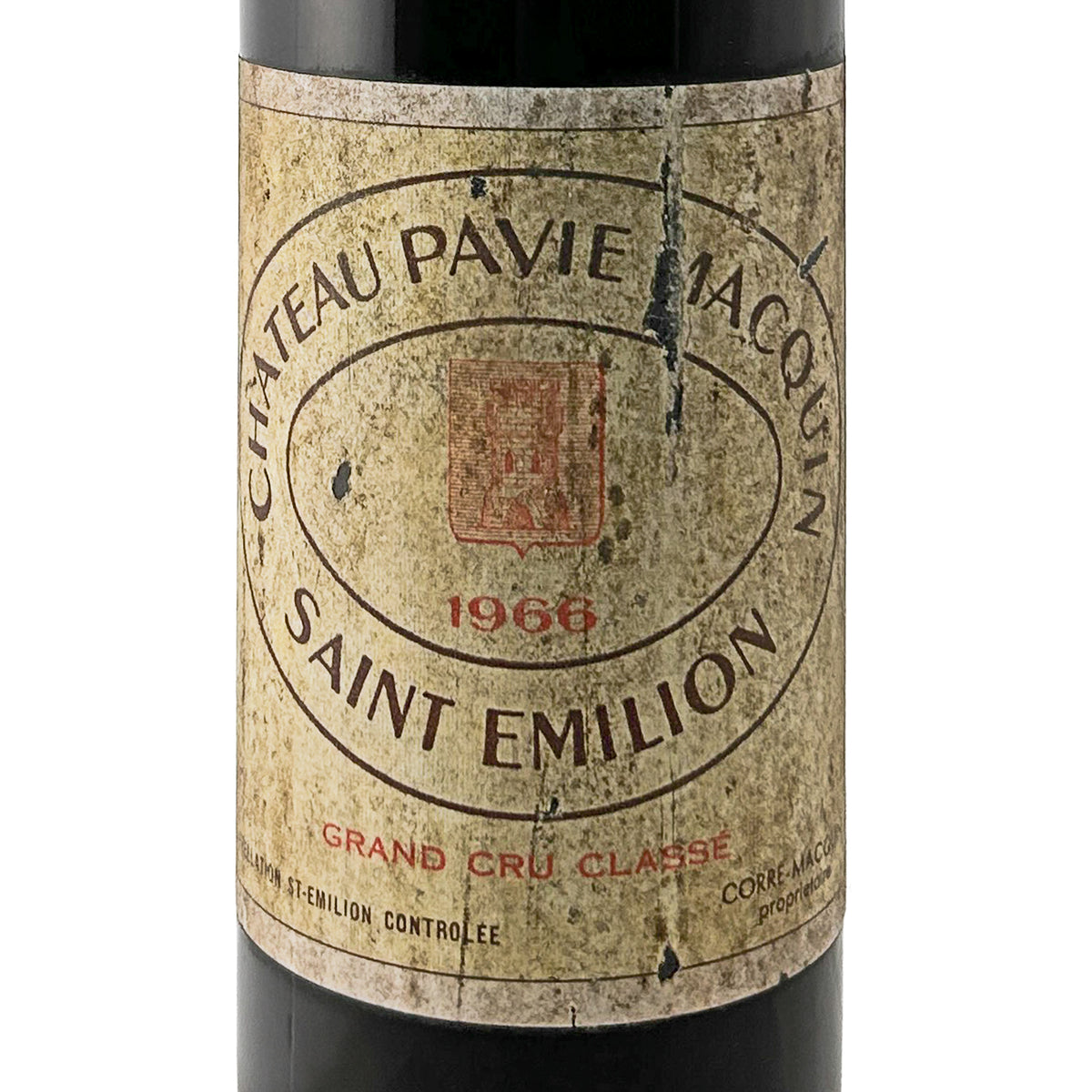
Label: soiled, damaged, slightly faded
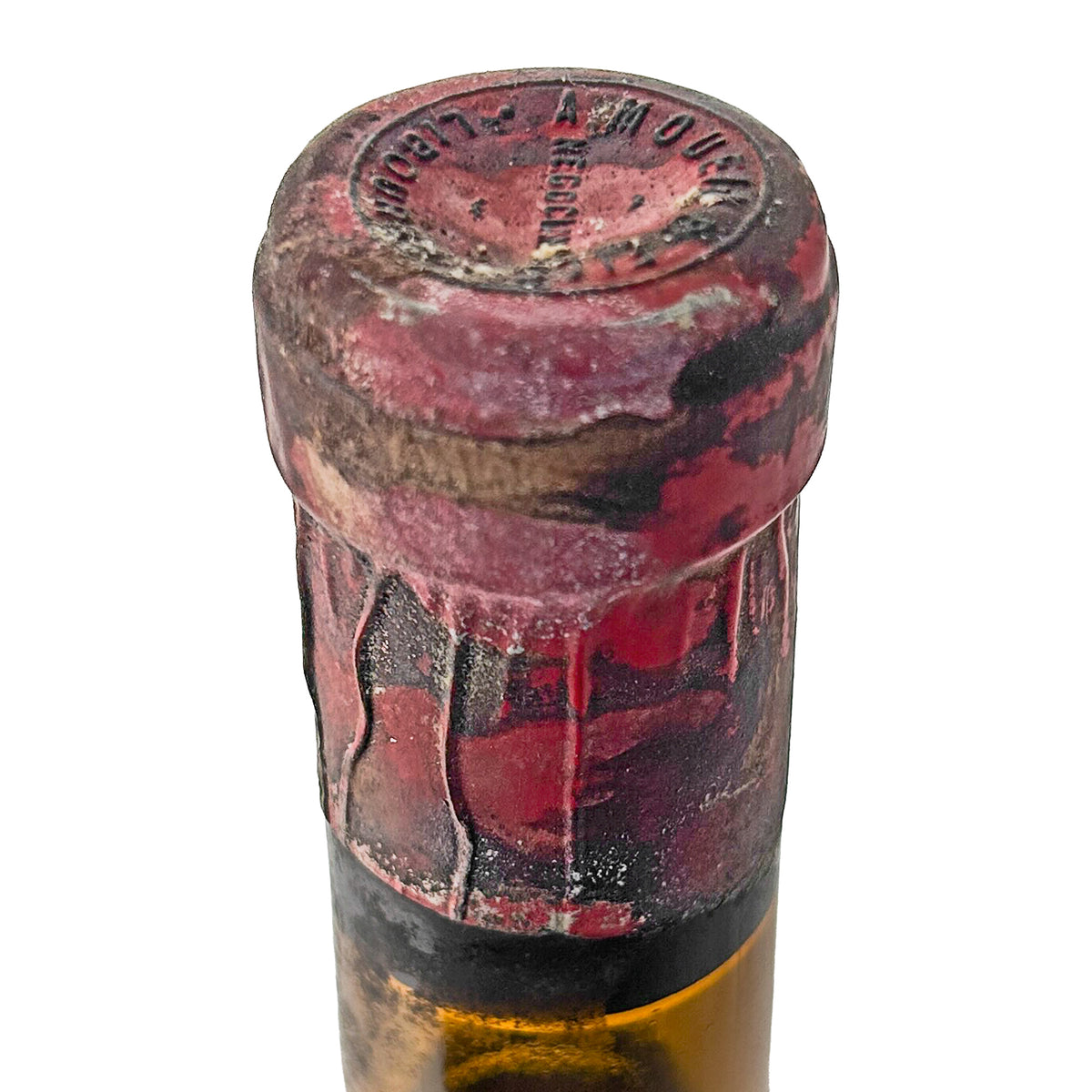
Capsule: corroded, very dirty, heavily creased
Cork: slightly depressed, otherwise intact
Other: Sticker on the bottle
About Château Pavie-Macquin 1966
The 1966 Château Pavie-Macquin comes from one of the leading estates on the limestone plateau of Saint-Émilion today. At the time of bottling, it held the rank stated on the label: Saint-Émilion Grand Cru Classé, according to the first official classification of 1955. Since 2006, the estate has been ranked as a Premier Grand Cru Classé B, a status reconfirmed in 2012 and 2022. The 1966 vintage produced balanced, long-lived wines on the Right Bank, and in 2026 the bottle will turn sixty years old—a 60th birthday wine with history. As a Bordeaux collector's wine and 1966 vintage wine, it connects a highly-rated estate of today with a historical label from the era of the Corre-Macquin family.
Origin & Classification
Château Pavie-Macquin is located on the plateau of Saint-Émilion, across from the medieval old town and above the Fongaban valley. The approximately 15 hectares of vines are situated at an altitude of 75 to 100 meters between the heights of Mondot and its neighbor, Château Pavie. The soil consists of clay and limestone over the "asteriated" limestone typical of Saint-Émilion, with the estate now distinguishing nine different soil types. Merlot dominates the vineyard, complemented by Cabernet Franc and a small portion of Cabernet Sauvignon.
The château owes its name to Albert Macquin (1852–1911). The agricultural engineer is considered one of the saviors of the Saint-Émilion vineyards during the phylloxera crisis. He bet early on grafted vines and, starting in 1887, raised more than a million grafted plants. He assembled several plots on the slope of Pavie into an estate whose name combines the location with his family name. After his death, his two daughters inherited the estate. They married the brothers Antoine and François Corre, which is why the label of the 1966 Château Pavie-Macquin bears the owner's note "Corre-Macquin propriétaire." The descendants of the Corre and Charpentier families still own the estate today.
In the first official classification of 1955, the estate was ranked as a Saint-Émilion Grand Cru Classé, and this is exactly the designation the label bears. Since the 1990s, Nicolas Thienpont and oenologist Stéphane Derenoncourt have directed work in the vineyard and cellar. In 2006, the estate was elevated to Premier Grand Cru Classé B, a status that was confirmed in 2012 and again in 2022 following a legal challenge. Today, the château is one of the twelve Premiers Grands Crus Classés of group B. Those looking for an old vintage from this house can buy Château Pavie-Macquin here. The 1966 Château Pavie-Macquin dates from the period before this ascent.
The 1966 Vintage
On the Right Bank, the 1966 year began with a mild winter and a good spring, meaning flowering proceeded without issues. The summer remained cool and predominantly dry, July brought some rain, and August lacked sunshine. A hot, sunny September made up for this deficit, and the healthy grapes were harvested in early October under very good conditions. Saint-Émilion and Pomerol produced consistent, fine, and long-lived wines, which are ranked just behind 1964 in vintage surveys. Throughout the Bordeaux region, 1966 is considered a classic vintage with firm structure, although its most famous wines tend to come from the Médoc.
For collectors, the 1966 Château Pavie-Macquin is therefore less of a prestige object than an honest historical document: a Bordeaux collector's wine from a solid vintage, featuring the label of the first classification and the name of the family that continues to run the estate today. As a 1966 vintage wine, the bottle is suitable as a gift for a diamond wedding anniversary or as a 60th birthday wine, as it comes from exactly the year being celebrated. Those building a collection of classified Saint-Émilion wines or wishing to close a gap in a vertical tasting can buy Château Pavie-Macquin here.
FAQ
What is the fill level of the 1966 Château Pavie-Macquin?
The fill level is at mid-shoulder, meaning roughly in the middle of the bottle shoulder. For a sixty-year-old Bordeaux, this is not an unusual level, as some of the wine evaporates through the cork over the decades. The fill level is clearly visible in the photos.
Is the 1966 Château Pavie-Macquin still drinkable?
With a sixty-year-old bottle at a mid-shoulder fill level, this depends heavily on the condition of the cork and how it has been stored to date. We view this bottle primarily as a collector's item and cannot offer any guarantee for the wine inside.
Why does the label say "Grand Cru Classé" and not "Premier Grand Cru Classé B"?
The label reflects the rank at the time of bottling. In 1966, the first classification of 1955 was in effect, in which the estate was listed as a Saint-Émilion Grand Cru Classé. Pavie-Macquin did not rise to Premier Grand Cru Classé status until 2006. Incidentally, the name on the label is printed without a hyphen: "Château Pavie Macquin." It refers to the same estate.
What does the stamp on the capsule mean?
The red capsule bears the embossed stamp "A. Moueix, Négociant, Libourne," which is the name of a wine trading house from Libourne. No indication of estate bottling ("Mis en bouteille au château") is visible on the label or capsule.
Is the 1966 vintage wine suitable as a gift?
Yes. Those born in 1966 celebrate their 60th birthday in 2026, and those who married in 1966 celebrate their diamond wedding anniversary. As a 60th birthday wine, the 1966 Château Pavie-Macquin links the anniversary year with a classified Saint-Émilion estate. Please note the disclaimer regarding drinkability above.
Is the 1966 Château Pavie-Macquin suitable as an investment?
We do not provide investment advice or guarantees of return. Old vintages of Pavie-Macquin are traded at significantly lower prices than the wines produced since the quality leap of the 1990s. As a Bordeaux collector's wine, the appeal of this bottle lies in its age, its label, and the current status of the estate.

Fact sheet: 1966 Château Pavie-Macquin
-
Wine
Estate: Château Pavie-Macquin
Vintage: 1966
Classification: 1er Grand Cru Classé B (Saint-Émilion)
Wine type: Red wine
-
Origin
Country: France
Region: Bordeaux
Appellation: Saint-Émilion Grand Cru
Producer/bottler: Château Pavie-Macquin, 1 Peygenestau, 33330 Saint-Émilion, France
-
Bottle
Bottle size: 750 ml - Bottle
Fill Level: Mid Shoulder
Alcohol: 13% Vol.
Allergens: contains sulfites

1966 Château Pavie-Macquin
Condition
The photos on this page show the bottle on offer. We recorded its condition in a snapshot and describe it above, next to the cart button: fill level, label, capsule, cork and notes.
Signs of age such as faded labels, a patina on the capsule or a shoulder fill level are normal for old Bordeaux. Even with constant, protected storage, a bottle's condition can change slightly over time. For shipping, every bottle is packed to protect it from impact and temperature changes.
If several bottles are available, their condition is largely the same as described. We are happy to answer any questions at jetzt@wein-sammeln.de.
Receiving your wine delivery
-
Accept the parcel in person
Please accept your wine delivery in person if possible. Parcel lockers are usually not climate-controlled, and on a doorstep the bottle is exposed to heat, cold or rain. The shorter the parcel waits there, the better for the wine, cork and label.
-
Avoid condensation
In winter, the parcel cools down considerably in transit. Leave it unopened for about 24 hours at 15 to 18 °C (59 to 64 °F) after delivery so the bottle can adjust slowly. If you unpack a cold bottle in a warm room, moisture forms on the glass; the label can then wrinkle or partly come away, which is particularly delicate with historic labels.