
What does the Bible say about drinking wine?
Wine and faith have been intertwined for millennia. Anyone who looks into the Bible will find wine in many places. It stands for joy, for community, but also for warning. In this article, we show what the Bible really says about wine drinking. We look at the Old and New Testaments. We explain the Eucharist. And we answer the most important questions about the Bible and alcohol.
Wine in the Bible: A brief overview
Wine in the Bible is more than just a drink. It is a symbol. It stands for blessing, for abundance, and for God's closeness to man. At the same time, the Bible clearly warns against misuse. This dual message runs through the entire book. It continues to shape the Christian understanding of wine to this day.
Wine in the Old Testament
Wine as a gift from God
In the Old Testament, wine is considered a gift. Psalm 104:15 describes it as such. Wine gladdens the heart of man. Wine also plays a significant role in celebrations. It is part of harvest, weddings, and thanksgiving. Here, wine is a sign of abundance and joy of life.
"... that wine may gladden the heart of man, and oil make his face to shine, and bread strengthen man's heart." [Luther Bible]

Warnings against drunkenness in the Old Testament
But the Bible does not stop at the positive side. The Book of Proverbs strongly warns. Proverbs 20:1 figuratively says:
"Wine is a mocker, strong drink a brawler; whoever is led astray by it is not wise." [Luther Bible]
It becomes even clearer in Proverbs 23:29 to 35. There, the text describes the consequences of alcohol abuse almost vividly. These passages show: moderation was already an issue back then. Read more about why wine plays such a big role in faith in our article "Why do Christians drink wine?".

Wine in the New Testament
Jesus and Wine
Red wine in the Bible also plays a significant role in the New Testament. We often encounter it in connection with Jesus. His first miracle takes place at a wedding. In John 2, he turns water into wine. This story shows: wine is part of the celebration. It is part of joy. Jesus himself drank wine and spoke openly about it.
The Last Supper
The most important moment follows at the Last Supper. Jesus takes the cup. He speaks words that resonate to this day. The wine becomes a symbol of his blood. This moment forms the basis for a central Christian sacrament.
The Eucharist: Wine as a Sacrament
Red wine in the Bible reaches its deepest meaning here. The Eucharist is at the center of many Christian services. Wine and bread represent the body and blood of Christ. Believers remember the Last Supper. They celebrate communion with God and with one another. Wine here is no longer an ordinary drink. It carries a deep religious significance.
Wine in Christian Traditions
Festivals and celebrations
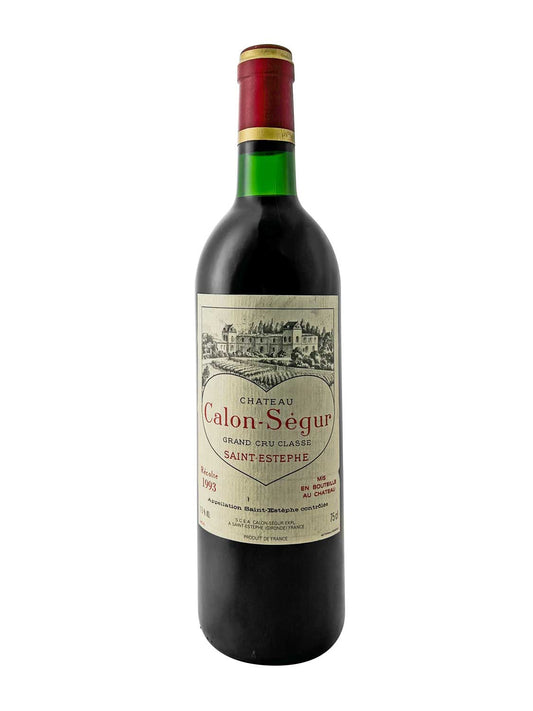
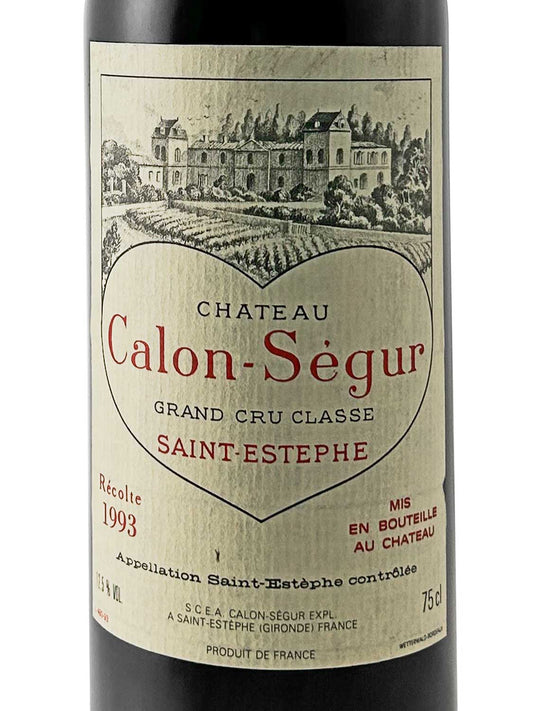
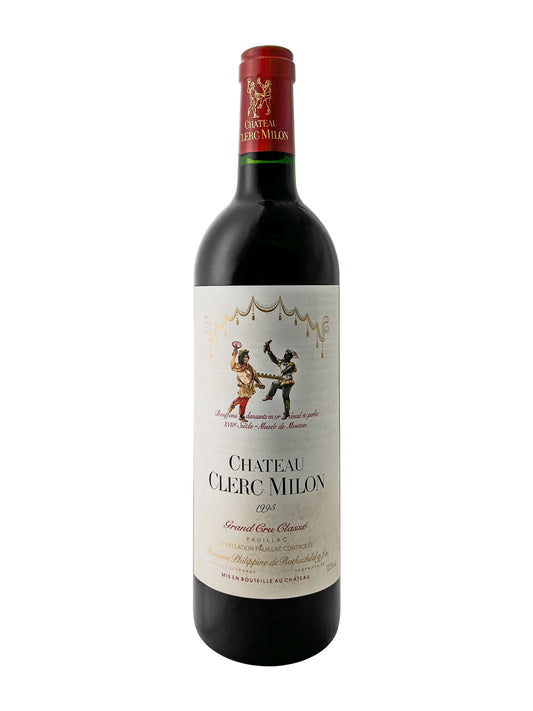
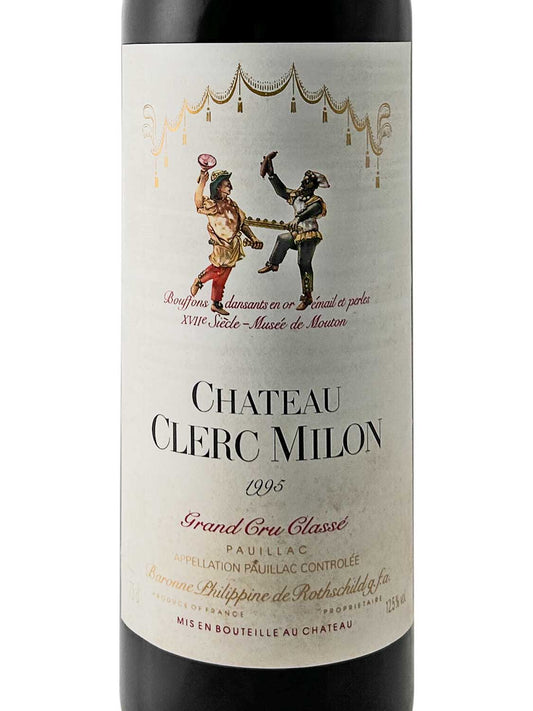
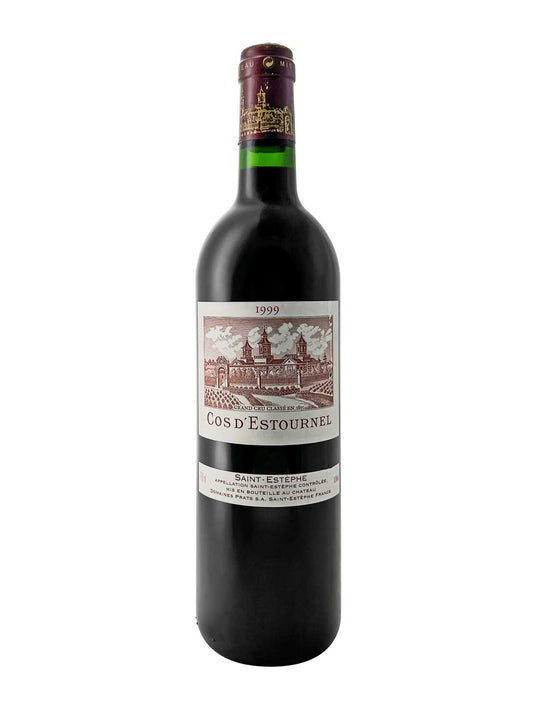
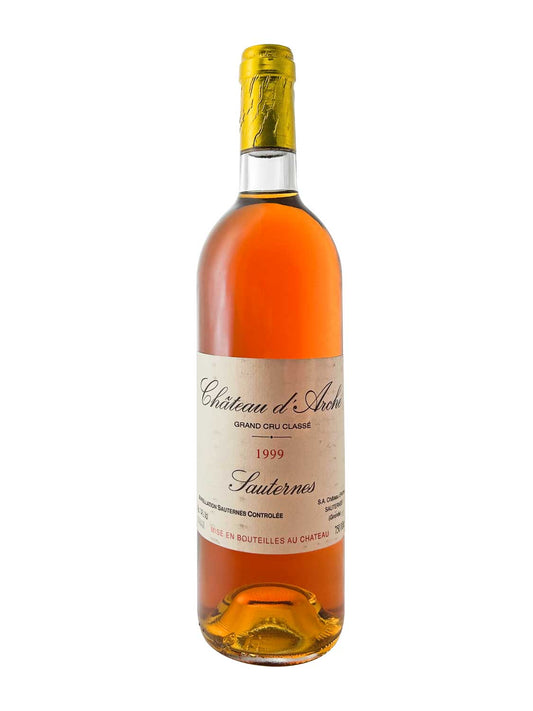
Beyond the Eucharist, wine also plays a role in Christianity. At church festivals, people often drink together. This recalls biblical precedents. Community and gratitude are central. If you are looking for a high-quality wine for your holiday table, you will find suitable bottles in our selection of Bordeaux wines.

Monastic wine traditions
Monasteries shaped European viticulture for centuries. Monks cultivated vineyards. They refined cultivation and production. These monastic wine traditions continue to have an impact to this day. Many well-known wine regions owe their origin to this work.
What does the Bible say about alcohol?
Many people ask this question. The answer is nuanced. The Bible does not fundamentally forbid alcohol. Paul even advises his disciple Timothy to drink a little wine. The reason: health problems (1 Timothy 5:23).
"Stop drinking only water, and use a little wine because of your stomach and your frequent illnesses."
At the same time, the Bible clearly warns against drunkenness. The Epistle to the Ephesians admonishes: Do not get drunk on wine. That leads to a dissolute life (Ephesians 5:18). The message can be summarized as follows: moderate enjoyment is permitted. Loss of control is clearly rejected.
Conclusion
Red wine in the Bible carries many meanings. It stands for blessing and joy. It stands for community and remembrance. At the same time, the Bible admonishes moderation. This balance makes the topic relevant to this day. Those who explore wine and faith discover a long, rich tradition.
What does the Bible say about drinking wine?
Wine in the Bible is generally considered positive. It is seen as a gift from God. It is part of celebrations and fellowship. At the same time, the Bible warns against drunkenness. Moderation is the central message.
What does the Bible say about alcohol?
Alcohol is not fundamentally forbidden in the Bible. What is condemned is its abuse. Several Bible passages clearly warn against drunkenness and its consequences.
What role does wine play in communion?
At the Last Supper, Jesus uses wine as a symbol of his blood. This act forms the basis of the Eucharist.
Is drinking wine forbidden in the Bible?
No. Wine is not fundamentally forbidden in the Bible. Only drunkenness and its abuse are condemned.
What does wine symbolize in the Bible?
Wine symbolically stands for blessing, joy, and community. At communion, it also represents the blood of Christ.
Sources
- The Bible, Luther Bible, revised version 2017, German Bible Society
- Einheitsübersetzung der Heiligen Schrift (Standard Catholic Bible), Katholisches Bibelwerk
- Catechism of the Catholic Church, section on the Eucharist
Note on this article: This text is editorially created. We use AI tools for research and initial drafts. A human reviews and edits the content before publication. Photos may be AI-generated.
This article serves to provide cultural and historical context for the topic of wine in the Bible. It does not replace theological, pastoral, or medical advice. Alcohol should always be consumed in moderation. For questions about responsible consumption, an independent counseling service can help.