
Heatwave 2026: What a smaller Bordeaux vintage means for collectors
In a nutshell: The 2026 heatwave will result in a small Bordeaux vintage. Bordeaux is already experiencing its third severe heatwave of the year in 2026. France recorded its hottest day since records began on June 24th, with a nationwide average of 30 °C. Some locations reported over 43 °C. Winemakers and industry representatives expect a smaller harvest than in the already weak year of 2025. Some châteaux are irrigating despite regulations. For collectors, however, the situation is more nuanced than "scarcity = increased value" suggests. There are still high stock levels of basic Bordeaux appellations, while rarer top appellations could indeed face tighter availability.
The summer of 2026 will go down in history as an exceptional year in Bordeaux – at least so far. After a first heatwave in May and a second at the end of June, the third followed at the beginning of July. According to forecasts, this was expected to last up to twelve days. For collectors who have their existing vintages in their cellars or are considering new purchases, a central question arises. What does another small harvest mean for the prices of established vintages – and is it worth acting now?
Climate Change Bordeaux Wine: The Third Heatwave Summer in a Row

Since May 2026, France has experienced three distinct heatwaves. This marks the beginning of the current debate about the Bordeaux 2026 heatwave vintage. On June 24th, Météo-France recorded the hottest day since records began, with a national average temperature of 30 °C. This value surpassed previous records from July 2019 and August 2003. In Palluau, Vendée, temperatures even reached 43.8 °C, and in many places, nighttime temperatures did not fall below 22 °C. A heat warning of the highest level was issued for almost the entire country.
Barely a week later, on July 6th, the third heatwave of the year began. Temperatures of 38 to 40 °C were reached in southwestern France, precisely in the region around Bordeaux. Meteorologists expected it to last about twelve days. According to the World Meteorological Organization, Europe has warmed by about two degrees over the past 50 years, making it the fastest-warming continent in the world.
Bordeaux Harvest 2026: Smaller, but not equally affected everywhere
For the Bordeaux 2026 vintage, assessments of the heatwave vary. The crucial factor is who you ask and which soils are affected. Sylvie Cazes, owner of Château Chauvin and president of Saint-Émilion Grand Cru Classé, offers a nuanced perspective. The Merlot grape, originally a Mediterranean plant, generally copes well with heat. Her vineyards in Saint-Émilion historically suffered more from excessive rain and hail than from sun. The soil is decisive. The blue clay soils of Château Chauvin had stored deep water reserves from a rainy winter. Her assessment: it could be a smaller but high-quality harvest, provided it doesn't get significantly worse than in the already heat-affected year 2025. Back then, the vintage was saved by timely rainfall in late summer.
Voices from the trade sound considerably more alarming. Ding Youzhen, China Sales Director for Bel Eden, which owns two Cru Bourgeois wineries in Médoc, expects a production decrease of around 20 percent or more, according to Vino Joy News. Zou Hua from AXXANT Fine Wines, which produces wines from several Bordeaux appellations, even speaks of what could be the hottest Bordeaux vintage since 2003. Soil temperatures in many vineyards are already close to 50 °C. Some estates have begun to irrigate, despite this being outside the normally permissible AOC rules, in order to save their vines.

Jean-Samuel Eynard, head of the Gironde Chamber of Agriculture, also sees yields at risk. According to Wine-Searcher, he expects declining yields due to the persistent heat and low soil moisture. Yields could be below the 2025 level, which was already a weak vintage. Particularly noteworthy: Château Lafleur, the renowned Pomerol estate, reportedly had to irrigate again. In doing so, it risks, as before, losing the Pomerol appellation and being classified as a simple "Vin de France." In several regions, there are also reports of dried, shrunken berries on the vines.
A silver lining: An exceptional irrigation regulation has now been granted for Bordeaux, which did not apply in the past. In Pauillac, among other places, irrigation is now permitted. This at least gives winemakers an additional tool against drought.
What This Means for Harvest Dates and Wine Style
An immediate consequence of the heat is a significantly earlier harvest date. Grapes for Crémant de Bordeaux could be picked as early as the beginning of August – unusually early for the region. The start of the harvest in France has already shifted due to climate change. Compared to the 1980s, the harvest now begins about three weeks earlier. In years with severe early summer heatwaves like 2026, this lead can extend to up to 20 days.
For the wine style, in addition to quantity, the speed of ripening is particularly crucial. Heat accelerates the sugar ripening of the grapes, which potentially leads to higher alcohol content. It becomes critical if the phenolic ripeness does not keep pace. This refers to the ripeness of tannins and aromatic compounds. It cannot always keep up with the faster sugar ripeness. The result: the wine appears ripe externally, but it is unbalanced in taste. The alcohol content is high, and acidity is lacking. The question of the Bordeaux 2026 heatwave vintage ultimately also concerns setting the course. How 2026 develops is still open. A vintage like the heat years 2003 and 2009 – concentrated and high-quality – is possible. However, a vintage with uncertain quality is also possible. The rain in July and August is crucial. It must fall sufficiently, and hail or storms must not cause additional damage.
Scarcity and Appreciation: What Does This Mean for Collectors?
The obvious collector's logic is: smaller harvest, fewer bottles, higher value of existing vintages. However, the calculation is not that simple for 2026. "Zou Hua commented on this to Vino Joy News. The Bordeaux market is currently structurally oversaturated. Exceptions are a few prestige estates and limited bottlings. Many importers still hold inventory, especially from earlier vintages. This particularly affects simpler Bordeaux wines, some of whose prices are already below purchase prices. The heatwave may result in a smaller 2026 Bordeaux vintage. Nevertheless, a small harvest is unlikely to lead to scarcity for entry-level and mid-range wines.
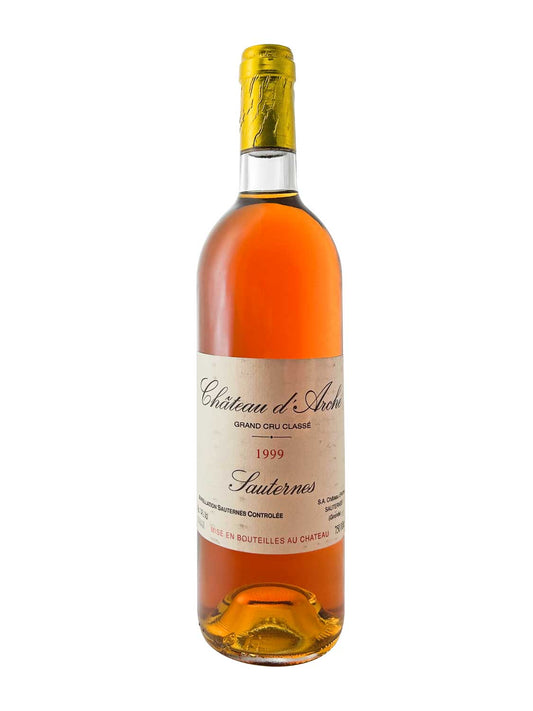
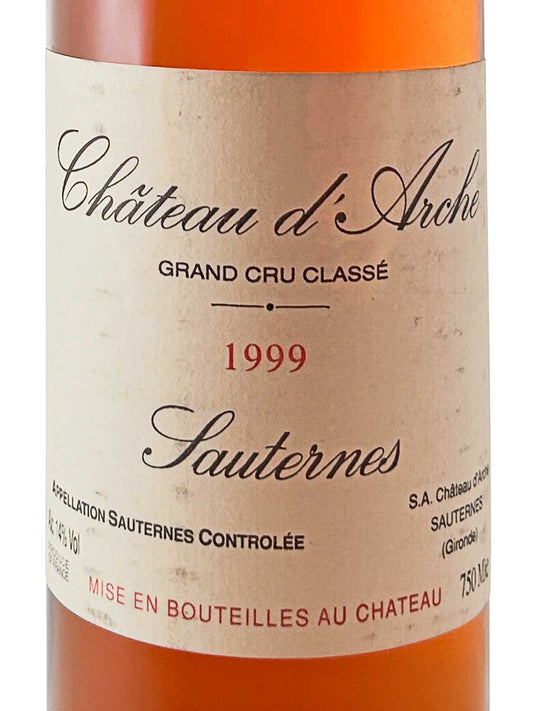
The situation is different for truly rare, highly classified appellations. This is precisely the segment most relevant to collectors and investors. This is where the other side of the Bordeaux 2026 heatwave vintage becomes apparent. Here, an already limited production volume meets a possible further decline due to the heat. This could indeed tighten the availability of individual top vintages. According to market observers, special categories such as Sauternes and dry white wines could also be particularly affected. For these, entire vintage quantities could shrink significantly or, in exceptional cases, be completely lost.
For one's own collection, this means specifically: Those who are banking on scarcity effects should look carefully. Already established, highly classified vintages are interesting. Limited appellations are equally interesting. "Bordeaux" as a whole does not count across the board. Existing older vintages could benefit from this. This applies to one's own holdings. This also applies to the shop's assortment. The reason is a possible scarcity of top wines. The situation is different for broader entry-level segments. Here, stable prices are rather to be expected in the short term. In some cases, prices even remain favorable. How prices have developed for the current Bordeaux En Primeur 2026 shows a lot. It shows how the market reacted to an already weaker vintage.
How much could the Bordeaux 2026 harvest actually shrink?
Initial estimates from the trade suggest a decrease of about 20 percent or more compared to the previous year. Official figures are not yet available. The comparison point is the already weak 2025 vintage.
Does a smaller harvest automatically mean higher prices for collectors?
No, not generally. For simpler Bordeaux wines, high stock levels persist. Therefore, no upward price pressure is expected in the short term. The situation is different for rare, highly classified areas. Special categories such as Sauternes could also become tighter.
When is the 2026 Bordeaux wine harvest expected to begin?
The first grapes for Crémant de Bordeaux could be harvested as early as the beginning of August. This would be significantly earlier than was common in previous decades. The main harvest is also likely to be brought forward.
Is 2026 comparable to the hot vintages of 2003 or 2009?
It is not yet possible to say for sure. Both historical vintages are considered high quality. This applies despite the heat. The reason: timely rain. It saved the vines from complete water stress. Whether 2026 will follow this course is open. Persistent drought is also possible. This will only be decided in the coming weeks.
Sources:
- Heatwaves Threaten Bordeaux Harvest – Wine-Searcher
- France's Vines Under Siege From Record Heat – Wine Spectator
- France's Heatwave Cuts Wine Harvest as Growers Brace for Smaller Vintage – Vino Joy News