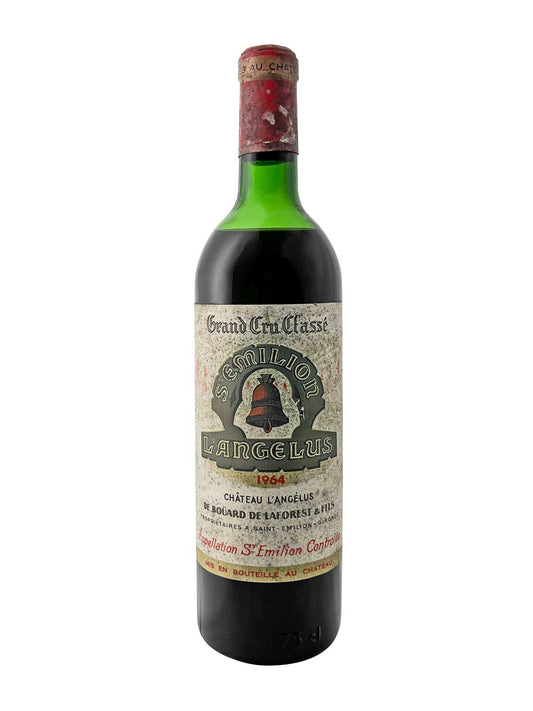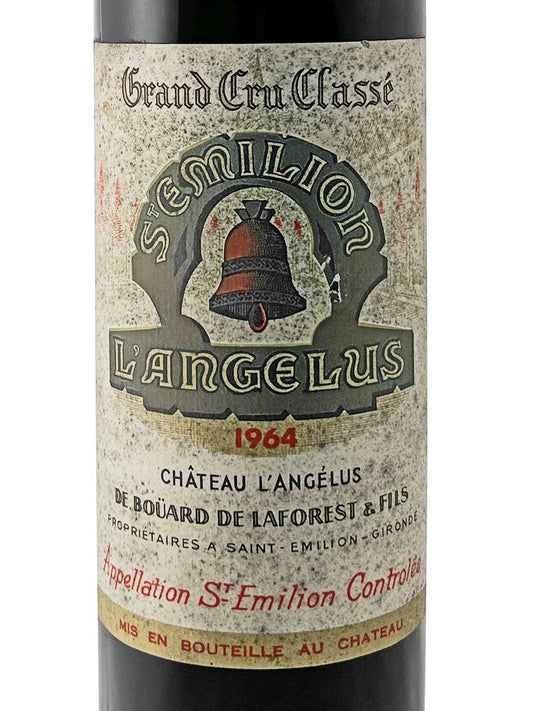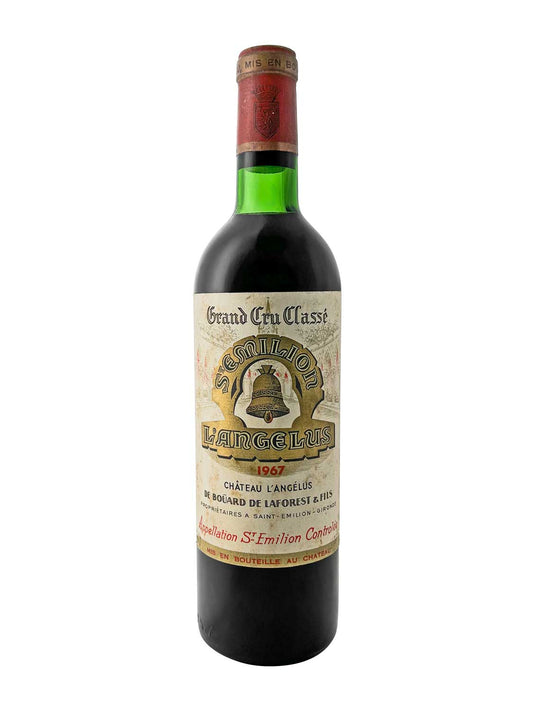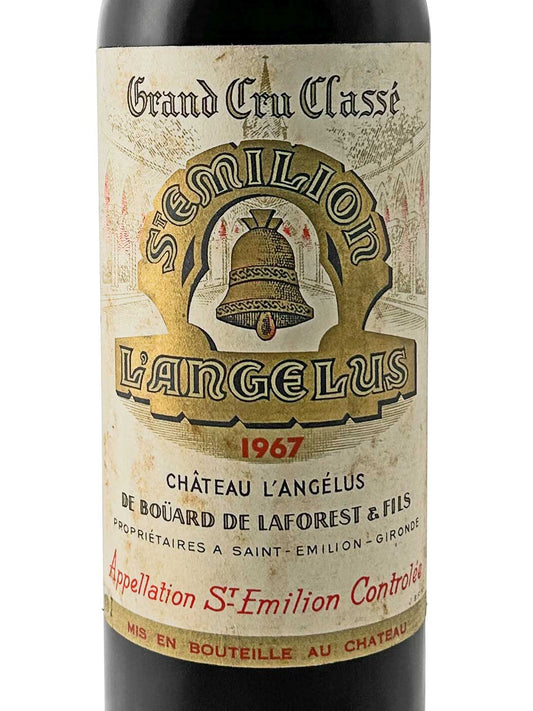

Properly storing wine bottles
What Collectors and Investors Absolutely Need to Know
For ambitious wine collectors and investors, acquiring a rare or valuable bottle is not the only consideration – at least as important is correct storage to maintain long-term value. Errors in temperature, light, or humidity can lead to significant quality loss, even for high-quality Bordeaux or Burgundy rarities. This comprehensive guide will show you how to store wine professionally and what factors are crucial for a collection that retains its value.
Why Correct Wine Storage is Crucial for Investors
Wine is a sensitive cultural asset. Its condition determines its market value, collector interest, and subsequent resale price. Optimal storage conditions ensure that the wine matures harmoniously, while poor climate or fluctuating conditions can drastically reduce its value.
Investors thus benefit in two ways:
- Increased value of well-stored bottles
- Minimization of risks such as cork damage, oxidation, or label deterioration
- Higher attractiveness for resale or auctions

The 5 Most Important Factors for Wine Storage
1. Temperature – The Critical Factor
The ideal storage temperature is between 10 and 14 °C. Stability is more important than the exact value.
Why it's important: Temperature fluctuations lead to chemical reactions, liquid expansion, and leaks.
2. Humidity – Protection Against Cork Damage
A relative humidity of 65–80% prevents the cork from drying out and protects against oxidation.
3. Light – The Silent Quality Killer
UV light destroys aromas and can damage labels. Therefore, wine belongs in absolute darkness.

4. Position – Why Bottles Should Lie Down
Bottles with natural cork should be stored horizontally. This keeps the cork moist and sealed.
5. Avoid Vibrations
Vibrations impair maturation. A quiet, vibration-free location is therefore essential.
Where Should Wine Be Stored?
✔ Ideal: Professional Wine Cellar or Wine Storage
For valuable collections, professional storage is the best option. They offer:
- constant temperature & humidity
- controlled atmosphere
- comprehensive security
- perfect documentation of storage conditions
✔ Well-suited: Private Cellar (under certain conditions)
A private cellar can be optimal if it is:
- cool, constant, and dark
- has sufficient humidity
- is not exposed to vibrations or heating ducts
✔ Alternative: Wine Climate Cabinet
For smaller collections, special wine cabinets offer controlled conditions.

The Most Common Storage Mistakes – and How to Avoid Them
❌ Too High Temperatures
Leads to rapid aging and loss of value.
❌ Dry Air
Cork shrinks → oxidation → total loss possible.
❌ Bright Light
Not only harms the wine but also reduces its aesthetic value.
❌ Incorrect Storage Locations
Heating rooms, kitchens, attics, garages – unsuitable for wine.
Provenance & Storage Conditions: A Crucial Value Factor
For collectors and investors, not only the condition of the bottle is important, but also the verifiable history of its storage.
Auction houses pay attention to:
- documented storage conditions
- origin from the first owner or professional dealers
- seamless traceability
A wine with good provenance fetches up to 30–40% higher prices.

Checklist for Optimal Wine Storage
- ✔ Constant temperature 10–14 °C
- ✔ Humidity 65–80%
- ✔ Store in darkness – no UV radiation
- ✔ Store corked bottles lying down
- ✔ No vibrations
- ✔ Good ventilation
- ✔ Clean & secure environment
- ✔ Inventory and documentation
Example: How Storage Influences Value
| Bottle Condition | Description | Market Value (Example) |
| Perfect provenance, professionally stored | Optimal fill level, top label | 100% market price |
| Slightly lowered fill level | Privately stored, no major flaws | 70–80% market price |
| Low fill level, damaged label | Unfavorable conditions | 30–40% market price |
| Severe damage | Risk of quality loss | hardly tradable |
Digital Tools for Collectors
- Apps for inventory management
- Temperature tracking via smart sensor
- Digital provenance documentation

FAQ – Frequently Asked Questions
How long can wine bottles be stored? Bordeaux wines from top vintages can be stored for several decades, provided they are kept consistently cool and dark.
What is the ideal temperature for wine storage? Between 10 and 14 degrees Celsius is considered optimal.
How do I recognize a vintage that will increase in value? Historical events, low yields, and perfect climatic conditions are decisive factors.
Is storage in a wine refrigerator sufficient? Yes, modern wine refrigerators offer ideal conditions for smaller collections.
Conclusion
Correct storage is crucial for the long-term value development of your wines. Whether Bordeaux, Burgundy, or Port – only bottles with ideal conditions and documented provenance achieve top prices. For investors, storage is therefore not a marginal issue, but a central component of their value strategy.