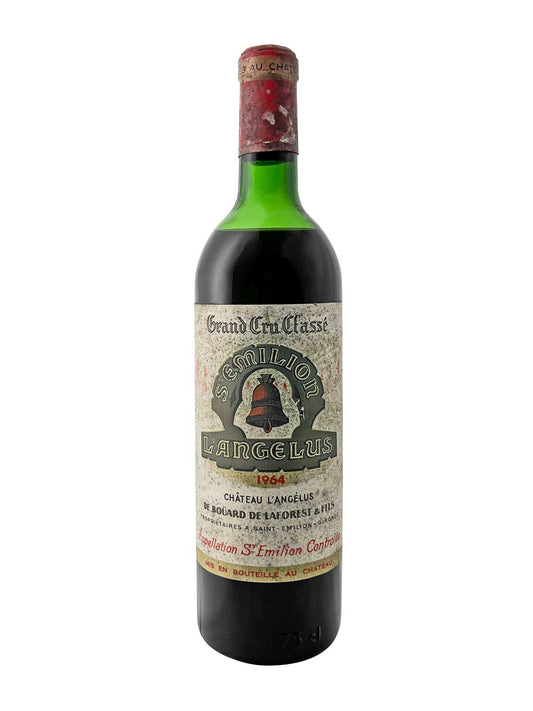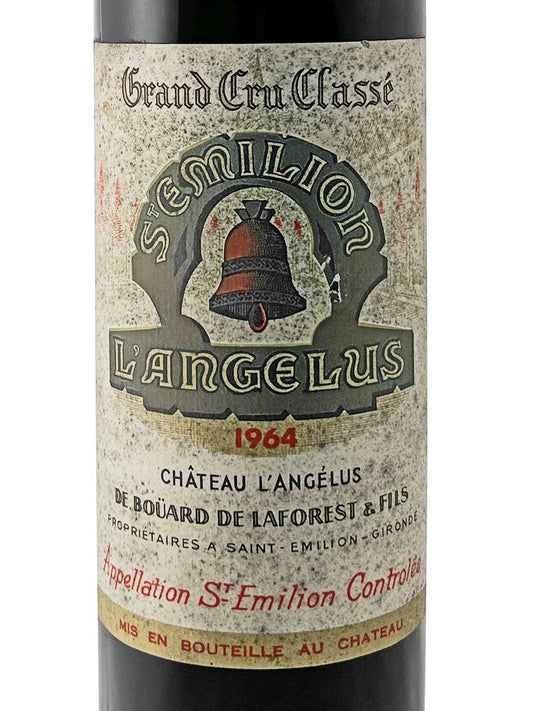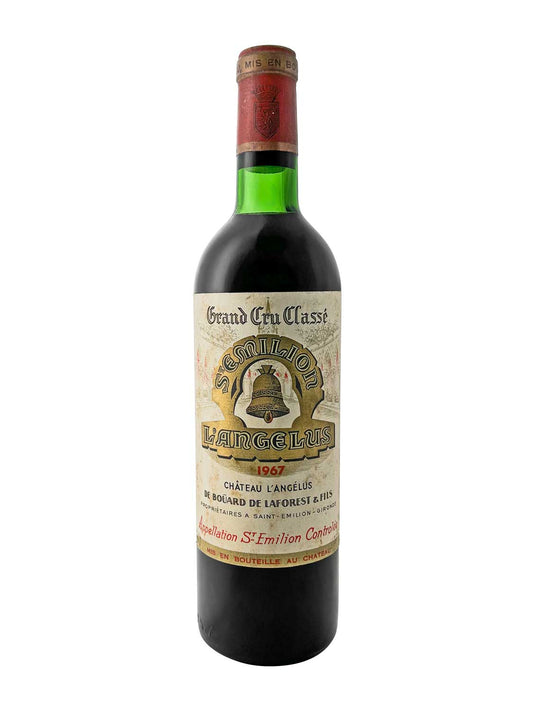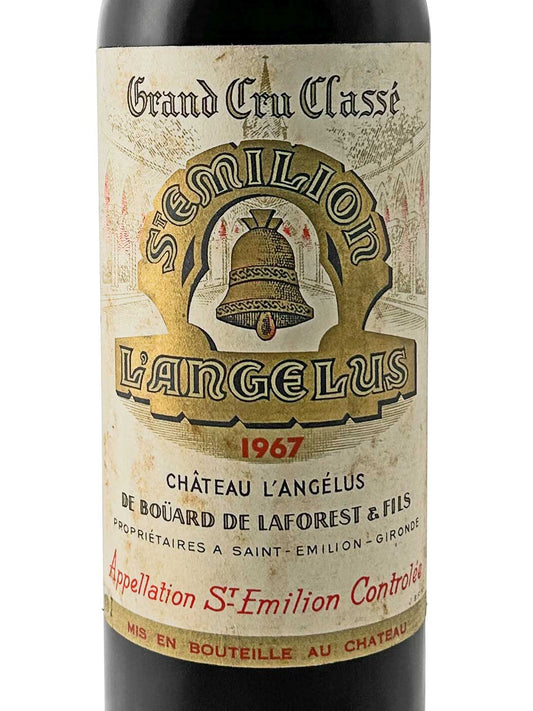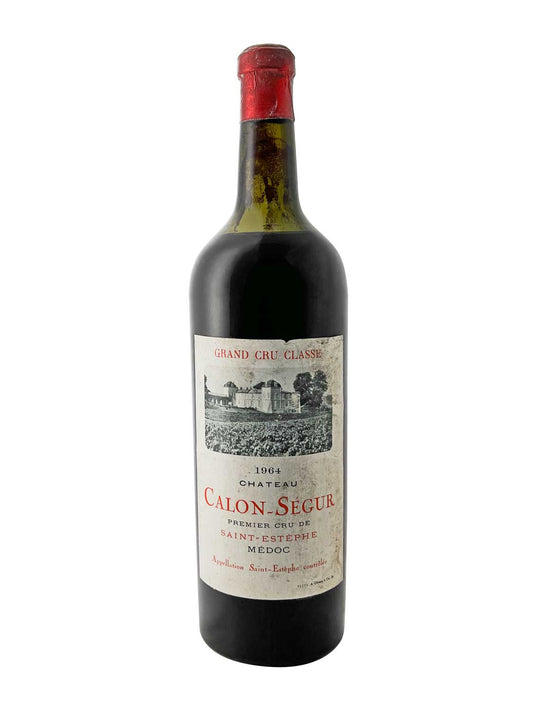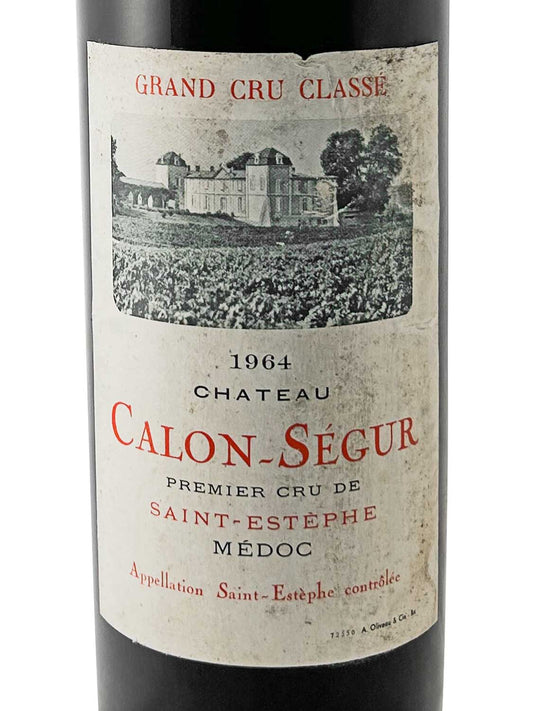

Bordeaux wines from the 1940s
The rare decade between war, reconstruction and legendary vintages of the century
The 1940s are among the most historically significant, yet also most heterogeneous decades in the history of Bordeaux. For collectors and investors, the 1945, 1947, and 1949 vintages are considered absolute icons of the global wine market. The early wartime vintages, on the other hand, are rare, often undervalued, and only marketable in exceptionally well-stored bottles.
For investors looking to build a portfolio of rare vintages with limited global availability and exceptional demand potential , Bordeaux wines from the 1940s offer a fascinating mix of risk and return opportunity.
The 1940s in historical context – why this decade is so special

The challenges of the early 1940s: war years and low production
The years 1940-1944 were characterized by:
- limited vineyard work
- labor shortage
- Material shortage in the basements
- reduced harvest quantity
- lack of quality assurance
For investors, this means:
- extremely low remaining stocks
- historical rarity value
- high price volatility
- The importance of provenance is above average.
Many bottles from these years are now considered "museum pieces" and are traded almost exclusively at auctions.
1945 - 1949: The spectacular rebirth of Bordeaux
After the end of the Second World War, a period began that produced three of the greatest vintages of the 20th century. Many of these wines are now considered among the absolute top tier of international prestige wines .
Bordeaux 1945 – Perhaps the most famous vintage in history

The year 1945 is one of the most significant for investors. It is considered:
- extremely rare
- historically charged
- Highly regarded internationally
- Legendary, with very few original bottles surviving.
Price level:
Depending on the Château, prices for 1945 Bordeaux wines often reach five figures , while Premier Crus (e.g., Mouton Rothschild) are significantly higher.
Investment assessment:
✔ exceptionally stable in value
✔ extremely low survival rate
✔ globally sought after
✔ long-term high-end investment
Bordeaux 1947 – warm, concentrated, one of the most charismatic vintages

The year 1947 is known for:
- very warm weather
- dense, long-lasting wines
- high demand from collectors
This vintage has become legendary, especially for Châteaux like Cheval Blanc.
Investment assessment:
✔ highly sought after
✔ High price dynamics
✔ Limited availability in the top segment
Bordeaux 1949 – elegant finesse and excellent aging potential
The 1949 vintage offers a combination of:
- elegance
- harmony
- impressive structure
It is considered by collectors to be one of the "most beautiful classic vintages" of the late decade.
Investment assessment:
✔ Excellent value for money (relative to 1945/1947)
✔ Ideal for collectors looking for rarities
✔ Good historical performance
Investing in Bordeaux wines from the 1940s: Opportunities & Challenges
Why Bordeaux wines from the 1940s are extremely valuable
Scarcity and survival rate
Very few bottles were stored optimally, which is why intact examples are extremely rare today.
Historical background
Books from war or post-war years are in high demand because they reflect the spirit of an entire era.
Auction dominance
Many bottles appear exclusively at auctions — a sign of premium status.
Risk of counterfeiting
The years 1945, 1947, and 1949 in particular are focused on forgery.
Therefore, for investors, the following is indispensable:
- Certified provenance
- ULLC level (Upper-Level-Low-Shoulder classification)
- Original capsule and label condition
Price and value trends: Table for investors
This overview shows typical market characteristics (no prices):
| vintage | Historical significance | rarity | Investment risk | demand | Investment rating |
|---|---|---|---|---|---|
| 1940 | year of war | very high | high | low | ⭐⭐⭐ |
| 1941 | year of war | extremely high | very high | low | ⭐⭐⭐ |
| 1942 | limited quantity | extremely high | high | medium | ⭐⭐⭐⭐ |
| 1943 | year of war | extremely high | high | low | ⭐⭐⭐ |
| 1944 | Pre-turnaround | high | medium | medium | ⭐⭐⭐⭐ |
| 1945 | centenary year | extremely high | medium | very high | ⭐⭐⭐⭐⭐ |
| 1946 | weak | high | high | small amount | ⭐⭐ |
| 1947 | legend | very high | medium | very high | ⭐⭐⭐⭐⭐ |
| 1948 | underestimated | high | medium | medium | ⭐⭐⭐⭐ |
| 1949 | classic large | high | medium | high | ⭐⭐⭐⭐⭐ |
Long-term investment: Why 1940s Bordeaux is becoming increasingly rare
The global market clearly shows:
- Asian buyer groups are driving demand
- Historic wines are increasingly being used as an alternative asset class.
- The supply shrinks annually, while worldwide collections grow.
In particular, the vintages 1945, 1947 and 1949 are considered "blue-chip wines".
Investor strategy: How 1940s Bordeaux is used in the portfolio

For which investors is Bordeaux from the 1940s suitable?
This decade is particularly suitable for:
- High-end collectors
- Investors with a long-term horizon
- Investors who prioritize scarcity over liquidity
- Enthusiasts of historical wine culture
Not suitable for:
- Newcomers without expert support
- Investors with a short-term investment horizon
FAQ – Bordeaux 1940 - 1949
1. Which Bordeaux vintages from the 1940s are the best investment?
From an investor's perspective, 1945, 1947 and 1949 clearly dominate the market.
2. Why are war birth years so rare?
Because low production and poor storage conditions led to extremely low survival rates.
3. Are 1940s Bordeaux wines still drinkable?
A few optimally stored bottles, yes — however, the collector's value clearly outweighs the others.
4. How do you properly evaluate a bottle from the 1940s?
Based on fill level, capsule, label condition, storage history and provenance documentation.

Conclusion: Why Bordeaux wines from the 1940s are among the world's most valuable collector's items
Bordeaux wines from 1940 to 1949 represent one of the most fascinating and exclusive decades in the wine world. The combination of historical context, extremely limited availability, and exceptional vintages makes this period a key area for discerning collectors and strategically minded investors . While the early wartime vintages, due to their rarity and museum-like quality, are considered highly specialized collector's items, the post-war vintages—especially 1945, 1947, and 1949 —are now firmly established "blue-chip wines" with a proven track record of value stability spanning decades.
For investors, the 1940s decade is particularly relevant because it represents a portfolio element with demonstrable historical performance, limited remaining availability, and high international demand . At the same time, it requires a high level of expertise, especially regarding provenance, fill level, and condition—factors that influence price more significantly than in modern vintages.
Those with a long-term perspective, a global outlook, and a focus on genuine rarities will find a unique combination of cultural value, prestige, and investment potential in Bordeaux wines from the 1940s. They are among the few wine segments that, due to the natural process of aging and the inevitable dwindling supply, become rarer—and therefore more valuable—each year.