

What is my old wine worth? - This is how much your bottle could be worth today
Many wine lovers eventually ask themselves: "What is my wine actually worth?"
Your old wine can be worth anywhere from 20 to 2000 euros.
Particularly old wine can experience enormous increases in value – from a few hundred to several thousand euros.
- 1. Why Old Wine Can Be Valuable
- 2. What is my wine really worth now?
- 3. The importance of rarity and origin
- 4. Vintage and Quality – the Heart of Value
- 5. Storage and condition – the invisible increase in value
- 6. Historical significance and provenance
- 7. Wine as an Investment – Value Appreciation Over Decades
- 8. Price Examples of Rare Wines
- 9. Practical Tips for Collectors and Investors
- 10. Selling Old Wines
- 11. Wine as an Investment – Value Appreciation Over Decades
- 12. FAQs – Frequently Asked Questions
- 13. Conclusion
A variety of factors are decisive here: origin, vintage, quality, storage and the historical significance of the bottle. Knowing these aspects allows for a better assessment of the value of one's collection. Thus, a strategic decision can be made on when to sell old wine.
Old wine is not only a luxury good but also a cultural asset. The value of your wine is not just about its financial aspect. Wines tell stories of past vintages and eras. Extraordinary weather conditions, famous winemakers, and historical events are also decisive. The fascination with old wines lies not only in their taste. The combination of history, craftsmanship, and rarity is also important.
Why Old Wine Can Be Valuable
Old wines combine culture, history, and quality. Many collectors see them not just as a beverage, but as an investment.
- Rarity and Limitation: Small editions or particularly sought-after vintages are in high demand.
- Vintage and Quality: Climate and growing conditions shape the wine – particularly good vintages fetch high prices.
- Storage and Condition: Stored in the dark, cool, and at a constant temperature, the wine remains valuable for a long time.
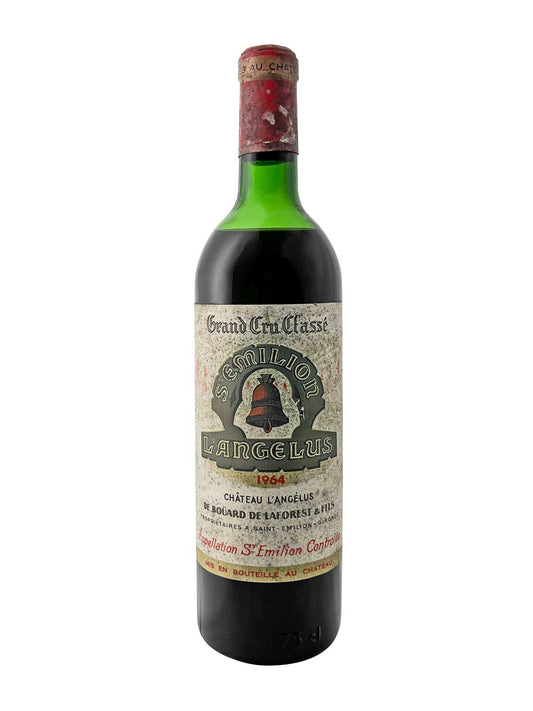
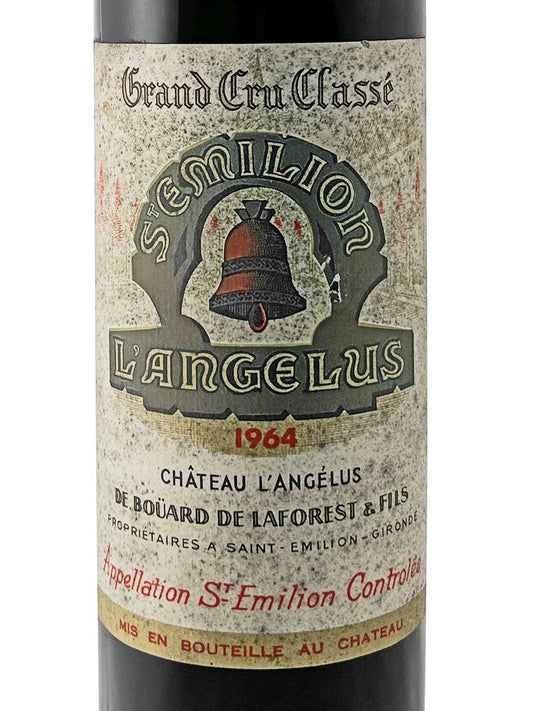
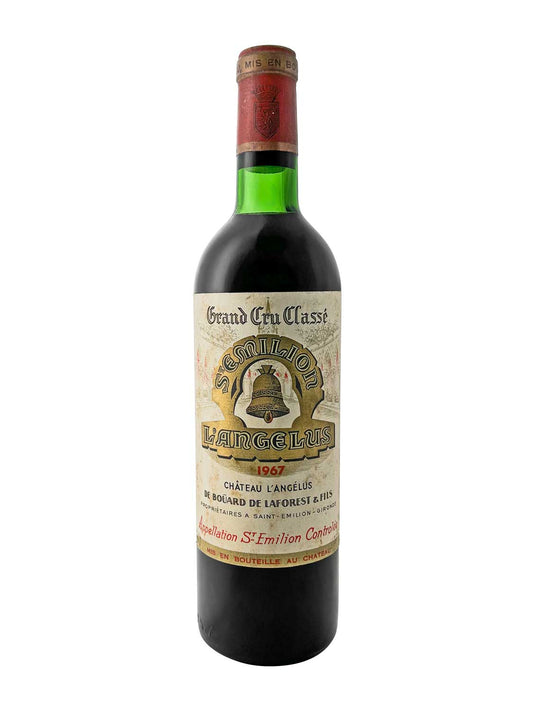
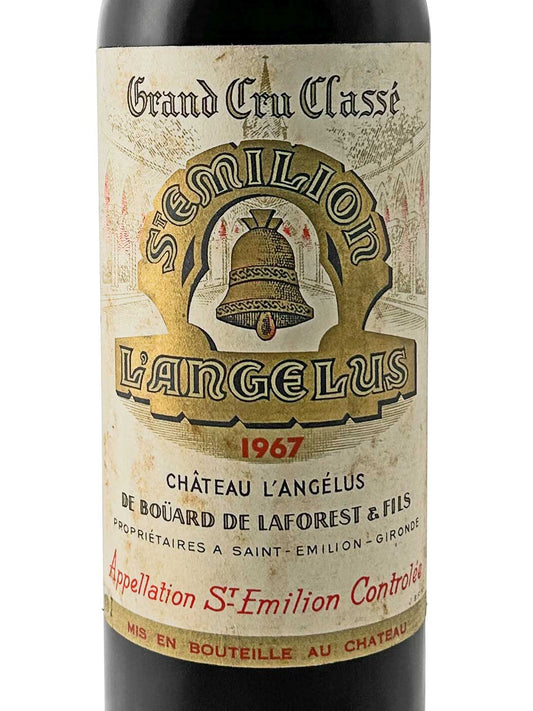
- Winery and Reputation: Cult wines from Château Mouton-Rothschild, Château Angelus or Château d'Yquem fetch top prices worldwide.
- Historical Significance: Wines with documented provenance or famous former owners gain collector's value.
Tip: Document each bottle – vintage, storage location, and purchase date increase its value and simplify sales.

What is my wine really worth now?
The most important factors for valuation:
Grape Variety and Region
French classics like Bordeaux or Burgundy traditionally fetch the highest prices. However, cult wines from California or rare Italian grape varieties are also valuable.
Vintage and Critic Ratings
Excellent vintages and good reviews (James Suckling, Decanter) significantly increase the value. Example: Bordeaux 1982 – a top vintage worldwide.
Storage and Bottle Condition
Ideal storage: 12 - 14 °C, 70 - 85 % humidity, dark, vibration-free. Intact labels and corks are crucial if you want to sell your old wine.
Historical significance
Wines with famous previous owners or documented history fetch higher prices. Auction results provide reliable references.

The Importance of Rarity and Provenance
Rare wines are often characterized by their limited availability. A famous example is the 1945 Château Mouton-Rothschild.
Only a few hundred to a thousand bottles of this vintage still exist worldwide. This rarity makes it one of the most expensive wines in the world. Bordeaux vintages like 1787 Château Lafite are also particularly valuable. The old wine was supposedly once owned by Thomas Jefferson. These examples show that history and rarity can determine the value of wine.
The origin of the wine is another central factor and determines what your wine might be worth. French classics from Bordeaux and Burgundy traditionally command the highest prices. However, cult wines from California, Italy, and Spain have also significantly increased in value over the past decades. The reputation of the winery is crucial in determining what your wine is actually worth. Old wines from renowned winemakers enjoy global trust and attract investors. High sums are often paid for such rare bottles.

Vintage and Quality – The Heart of Value
Not every vintage has the same potential. The climatic conditions during the grape growing season influence the later taste. This also determines the storability and demand in the market. Exceptional vintages, in which the grapes ripened under optimal conditions, are particularly valuable. A classic example is the 1982 Bordeaux vintage. This is known for its excellent quality and still commands high prices today. What your wine is worth also has a lot to do with research.
Burgundies like the 1945 vintage show that historical factors can further increase value. In addition to quality, expert ratings also play an important role. Ratings from James Suckling or Decanter have a direct impact on market demand. Wine reviews can significantly change the price of a bottle and provide information about what your wine might be worth.
Storage and Condition – The Invisible Appreciation
The value of an old wine largely depends on its storage. Even a rare vintage loses value if it has been stored under poor conditions. Optimal storage is at a constant temperature between 12-14 degrees Celsius. The relative humidity should be between 70 and 85%. Darkness and vibration-free storage are also essential.

The bottles themselves must be intact: labels should not be damaged, corks tightly sealed, and the capsule undamaged. Even minor flaws can significantly reduce the value. Those who carefully document and control their collection can ensure an increase in value. This is, of course, a slow process that can last several decades.

Historical Significance and Provenance
Some wines are valuable not only because of their vintage but also because of the stories they tell. Wines that once belonged to famous collectors often fetch high prices, especially those sold at well-known auctions. Moreover, provenance is the magic word here, determining what your wine is worth. Those who can flawlessly trace the history of their bottle build trust with buyers and increase market attractiveness.
For example: a bottle of Château Lafite-Rothschild with historical context and proof can fetch twice as much at auction. A comparable bottle without proven provenance, on the other hand, fetches less. Collectors and investors pay not only for the wine itself but also for the history it embodies.
Wine as an Investment – Appreciation Over Decades
Old wines have increasingly established themselves as an alternative asset class. Unlike stocks or real estate, they are not subject to direct stock market volatility and offer diversification and inflation protection. However, the appreciation strongly depends on the selection of wines, storage, and market development.
Investors often focus on cult wines like Château Haut-Brion, Château Margaux, or Château Latour. These wines combine limited editions, excellent vintages, and global recognition. So, the value of your wine also depends heavily on the choice of winery. Long-term planning is crucial here. If you want to buy old wine as an investment, you need to be patient. Market trends must be monitored, and a network of experts and collectors is advisable.

The value of wines often increases over decades, provided the bottles are stored carefully and their provenance is documented. Auction results provide a reliable indicator. Historical sales show that top wines can significantly increase their value every five to ten years on average.

Price Examples of Rare Wines
| Wine | Vintage | Price (approx.) | Special feature |
| Château Cheval Blanc | 1947 | €219,000 | Post-war vintage |
| Château Lafite-Rothschild | 1869 | €195,000 | Bordeaux classic |
| Château Margaux | 1787 | €191,000 | Historical significance |
| Château Mouton-Rothschild | 1945 | €80,819 | Victory wine |
| Château d'Yquem | 1811 | €79,700 | Exclusive rarity |
Note: Prices vary depending on condition, storage, and market.
Practical Tips for Collectors and Investors
Building a high-quality wine collection requires diligence, knowledge, and a strategic approach. Those who carefully document their bottles, keep photos and purchase receipts, and regularly check their condition minimize risks. This way, targeted decisions for sale or investment can be made. Monitoring auctions and international markets is also crucial, as the optimal time for selling rare wines is important.
Investors should ensure they do not solely rely on individual bottles or vintages but diversify their collection. Different regions, grape varieties, and vintages provide security and increase the chance of long-term value appreciation. By considering these aspects, old wines can be used not only as a pleasure but also as a profitable investment.
- Online research: Wine-Searcher, Sotheby's, Christie's.
- Seek expert advice: Sommelier or wine merchant.
- Check condition: Bottle, label, cork.
- Assess rarity: Limited editions and sought-after vintages.
- Monitor market developments: Historical auction results provide guidance.
Tip: A digital collection with photos, vintage, storage location, and purchase price facilitates sales and insurance valuations.
Selling Old Wines
The sale of old wines today takes place through various channels. Auctions at renowned houses such as Sotheby's or Christie's, specialized dealers, or direct sales to collectors and wine clubs are all possible. A wine can be sold successfully, especially if the bottle is fully documented, its provenance can be proven, and high-quality photos attest to its quality.
Those who want to know the value of their wine can also consult experts. For example, wine merchants or buyers can provide initial indications.
Compared to short-term speculation, selling through auctions offers an advantage. Demand is often high, and rare wines can fetch top prices. Those who plan their collection long-term can specifically select bottles that promise particularly high value appreciation.
- Auctions: Sotheby's, Christie's, regional wine auctions.
- Specialized dealers: Reputable wine merchants and collector exchanges.
- Private sales: Directly to collectors or wine clubs.
- Documentation: Certificates and provenance increase the selling price.
Pro Tip: Clean photos and detailed descriptions increase sales success.

Wine as an Investment – Value Appreciation Over Decades
Aged wine is increasingly becoming a popular investment. Historical data shows that cult wines can experience enormous value appreciation over decades.
Which Wines are Suitable for Investment?
- Cult wines: Château Pavie, Château Haut-Bailly, Château Durcu-Beaucaillou.
- Exceptional vintages: Particularly high-quality vintages.
- Limited editions: The rarer, the higher the demand.
- Historical relevance: Documented provenance increases the price.
Factors for Value Appreciation
- Market demand: Popular wines fetch higher prices.
- Storage: Perfect conditions prevent loss of value.
- Aging potential: Some wines develop flavor and value over decades.
- Auction results: Historical sales provide reliable benchmarks.
Strategies for collectors and investors
- Diversification: Different regions and vintages.
- Documentation: Purchase receipts, certificates, and storage records.
- Think long-term: Returns over decades.
- Monitor auctions specifically.
- Build a network: Contacts with dealers and collectors.
Risks in wine investment
- Counterfeits and fraud. (Also read: Wine counterfeits – the dark side of a wine collection >>)
- Market fluctuations and demand volatility.
- Storage costs.
- Illiquid markets: Not every wine can be sold immediately.
Expert Tip: If you buy wine as an investment, you should think like a collector – patience, knowledge, and careful selection are crucial.
FAQs – Frequently Asked Questions
How do I know if my wine is rare?
Check vintage, edition, winery, and historical significance. Rare wines appear at auctions and on collector lists.
Which vintage is particularly valuable?
Top vintages in Bordeaux or Burgundy fetch premium prices. Exceptional historical vintages further increase their value.
Can every old wine gain in value?
No. Storage, quality, rarity, and market development determine the value.
Where can I find reference prices?
Auction houses, wine portals, price archives, and specialized literature provide reliable benchmarks.
How do I best store old wines?
12 - 14 °C, 70 - 85 % humidity, dark, vibration-free. Intact labels and corks are crucial.
Conclusion
What your wine is actually worth depends on numerous factors. The value of old wines is determined by a combination of rarity, vintage, quality, storage, and historical significance. Understanding these factors allows one to fully exploit both the enjoyment of old wines and their economic benefit. Patience, knowledge, and a strategic approach are the keys to success.
Old wines are more than beverages: they are culture, history, and investment objects all at once. What your wine is worth also has a sentimental background, of course. Those who recognize their significance can not only appreciate their own collection but also benefit from it in a targeted way.




2 comments
—> sind auch deutsche Weine wertvoll? z.B. Zeller schwarze Katz von 1959
" " " " Auslese 1969 u. 1976
Ja, auch deutsche Weine können wertvoll sein. Ein gutes Beispiel sind Weine vom Weingut Egon Müller (Saar). Ein Scharzhofberger Riesling Trockenbeerenauslese wurde beispielsweise für rund 12.000 Euro pro Flasche versteigert. Auch 2016er Rieslinge dieses Gutes erzielten Preise von über 13.000 Euro.
sind auch deutsche Weine wertvoll? z.B. Zeller schwarze Katz von 1959
" " " " Auslese 1969 u. 1976